
In the world of medical implants, material choice is directly tied to patient safety and treatment outcomes. Silicone has become a trusted material for many implantable medical devices thanks to its excellent biocompatibility.
But what exactly is biocompatibility? Why is silicone such a reliable choice? Where is it used? And how can its biocompatibility be ensured? This article explores these questions in depth.
What Is Biocompatibility?
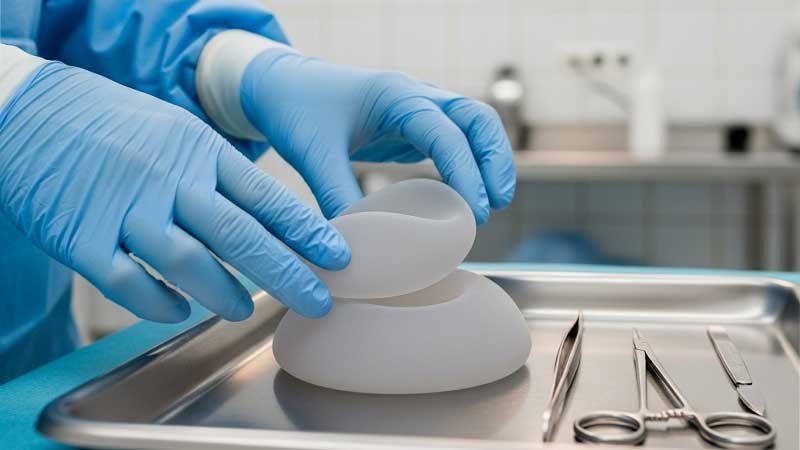
Biocompatibility means a material can safely come into contact with the body without causing harm. It should work well with nearby tissues and not affect normal body functions.
Key evaluation areas include:
| Category | Description |
| Cytotoxicity | Whether the material kills or inhibits cell growth |
| Sensitization | Whether it triggers allergic reactions |
| Irritation | Whether it causes skin or mucosal irritation |
| Inflammatory Response | Whether it causes immune reactions or chronic inflammation |
| Systemic Toxicity | Whether it affects other organs or body systems |
| Degradation Impact | Whether breakdown products are harmful to the body |
For long-term implants, it’s also important to assess how the material performs in dynamic physiological environments, whether it causes chronic effects over time, and if it releases substances that may enter the bloodstream.
Biocompatibility is the minimum requirement for any medical implant material. It must pass globally recognized tests, such as those under the ISO 10993 series. These evaluations are not only regulatory requirements. They are essential for ensuring patient safety and long-term product reliability.
Why Silicone Has Excellent Biocompatibility?
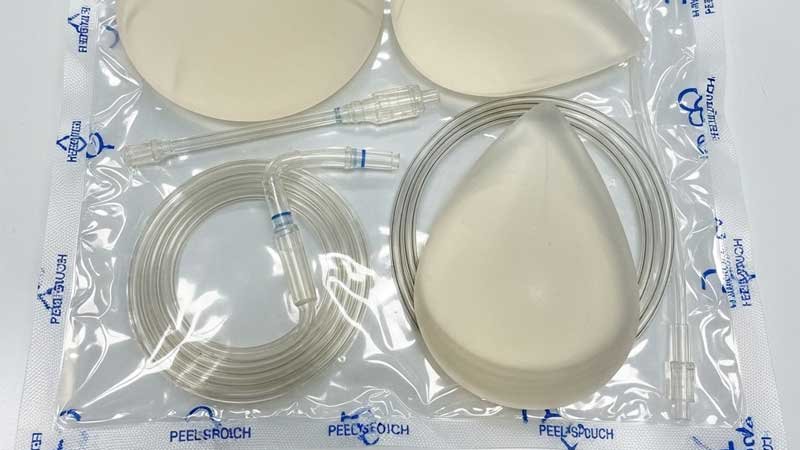
Silicone is widely used in medical implants thanks to its outstanding biocompatibility. Its unique molecular structure and physical properties make it far more suitable for the human body than many other elastomers. Here’s why:
Stable Molecular Structure and Strong Chemical Inertness
Silicone’s backbone is made up of Si–O–Si bonds, similar to those found in glass. This structure gives it excellent chemical stability:
- It doesn’t react with body fluids, enzymes, or tissues
- It doesn’t release toxic by-products or break down inside the body
- It remains intact and is not absorbed or metabolized, even after long-term implantation
This high level of inertness greatly reduces the risk of inflammation, immune rejection, or cytotoxicity.
Tunable Physical Properties to Fit Different Tissue Needs
Silicone’s physical behavior can be customized to meet a wide range of medical uses:
- Shore A hardness can be adjusted from 10 to 80, making it suitable for soft implants, tubing, or flexible electrodes
- It offers excellent elastic recovery, maintaining shape and function over time
- Its low compression set helps preserve structure even under continuous pressure
This allows silicone to adapt well to various tissue types like skin, muscle, or cartilage.
Adjustable Surface Properties to Minimize Body Response
Naturally, silicone has a hydrophobic surface. This helps resist protein buildup and bacterial attachment, reducing inflammation and infection risks. When needed, the surface can also be modified:
- Plasma treatment to improve cell adhesion
- Hydrophilic coatings for better tissue integration
- Antibacterial coatings to enhance safety during long-term use
Compatible with Common Sterilization Methods
Safe sterilization is essential for medical implants. Silicone is highly resistant to heat and oxidation, making it suitable for multiple sterilization techniques:
- Autoclaving (steam sterilization)
- Ethylene oxide (EO) gas sterilization
- Gamma and electron beam radiation
This versatility ensures silicone products stay sterile and maintain performance across various clinical settings.
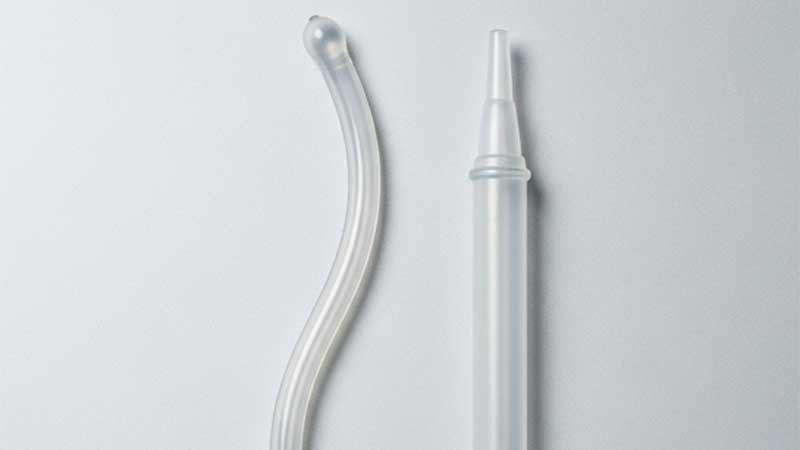
How Is Silicone Used in Medical Implants?
Medical implant materials need to stay inside the human body for long periods. They must not cause rejection or infection, and they must keep their shape and function over time. Thanks to its excellent biocompatibility, chemical stability, flexibility, and heat resistance, silicone plays a key role in both short-term and long-term implants.
Silicone’s Properties Align Well with Clinical Needs.
| Silicone Property | Clinical Benefit | Typical Applications |
| Chemical Inertness | Resists reaction with enzymes and fluids, reduces rejection/inflammation | Cardiovascular implants, nerve insulation, drains |
| Flexibility and Elasticity | Mimics soft tissue, cushions movement, improves comfort | Breast implants, joint cushions, urinary catheters |
| Hydrophobic Surface | Reduces protein buildup and bacteria, lowers risk of infection | Wound dressings, eye implants, IV contact parts |
| Heat & Oxidation Resistance | Allows for steam, EO, and gamma sterilization | Surgical tool coatings, long-term sealed parts |
| Optical Transparency | Keeps vision clear, allows tissue visibility | Intraocular lenses, clear ophthalmic devices |
| Electrical Insulation | Prevents unwanted stimulation, protects nerves | Brain-machine interfaces, pacemaker lead covers |
How to Ensure the Biocompatibility of Medical-Grade Silicone?
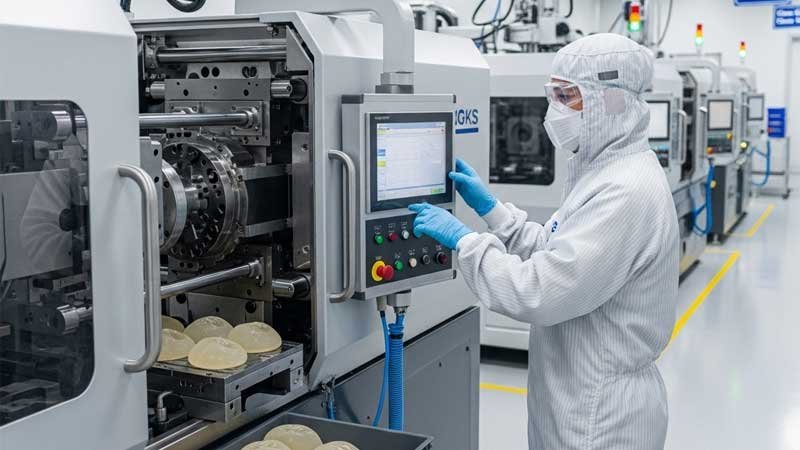
Silicone is naturally biocompatible, but to make it truly safe and reliable for medical implants, strict controls are required at every stage—from raw materials to manufacturing and regulatory testing. A qualified medical silicone implant must meet high standards across three key areas.
Quality Control of Raw Materials and Manufacturing Process
| Control Step | Key Measures | Purpose |
| Material Selection | Use medical-grade LSR or HTV silicone approved by ISO 10993 | Ensure high purity and low irritation risk |
| Production Environment | Manufacture in ISO Class 8 cleanrooms or higher | Prevent particle contamination and bio-residue |
| Post-Curing | Apply high-temperature treatment after molding or injection | Remove residual catalysts and low-molecular siloxanes (LMWOS) |
Biocompatibility Testing: ISO 10993 Series Standards
The ISO 10993 series is the globally recognized testing framework for evaluating biocompatibility of medical materials.
| Standard | Test | Purpose |
| ISO 10993-5 | In Vitro Cytotoxicity | Checks if the material harms living cells |
| ISO 10993-10 | Skin Irritation & Sensitization | Detects allergic or inflammatory skin reactions |
| ISO 10993-11 | Systemic Toxicity | Assesses damage to organs like the liver or kidneys |
| ISO 10993-4 | Hemocompatibility | Evaluates risk of hemolysis, clotting, or thrombosis |
| ISO 10993-12/18 | Sample Prep & Chemical Analysis | Identifies extractable or leachable chemicals in the material |
Conclusion
For implant-grade medical products, material performance is a matter of life and safety. Medical-grade silicone stands out with its stability, chemical inertness, and proven biological safety, making it a preferred material in many implantable solutions.
Looking to develop a safe, custom medical implant using silicone? We’re here to help, from material selection to manufacturing support. Contact us today to explore tailored silicone solutions for your next medical innovation.