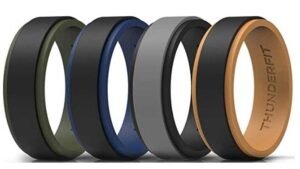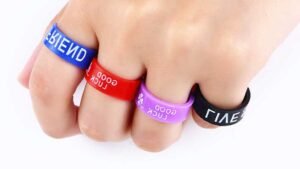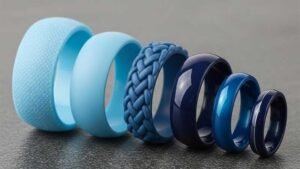
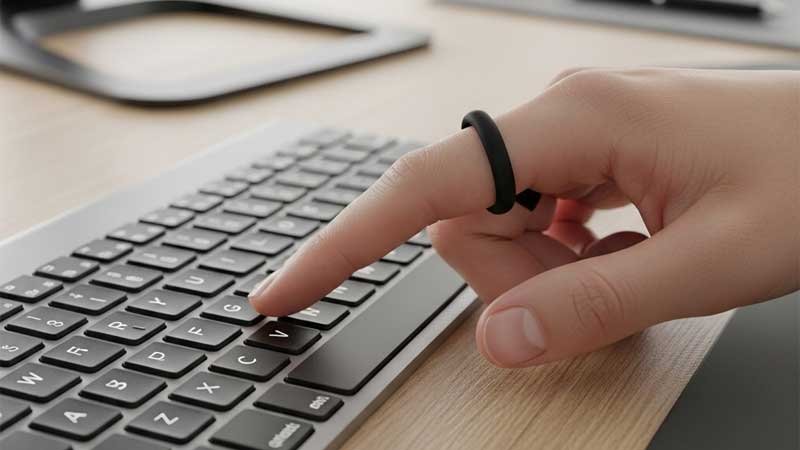
In recent years, silicone rings have become a popular alternative to metal rings. They are soft, safe, and come in a variety of colors. Silicone rings meet the needs of many occasions, including weddings, sports, and casual wear.
Many people ask before buying, “How long do silicone rings last?” In fact, their lifespan depends not only on the silicone material itself but also on the wearer’s habits, work environment, and care routine.
How Long Do Silicone Rings Usually Last?
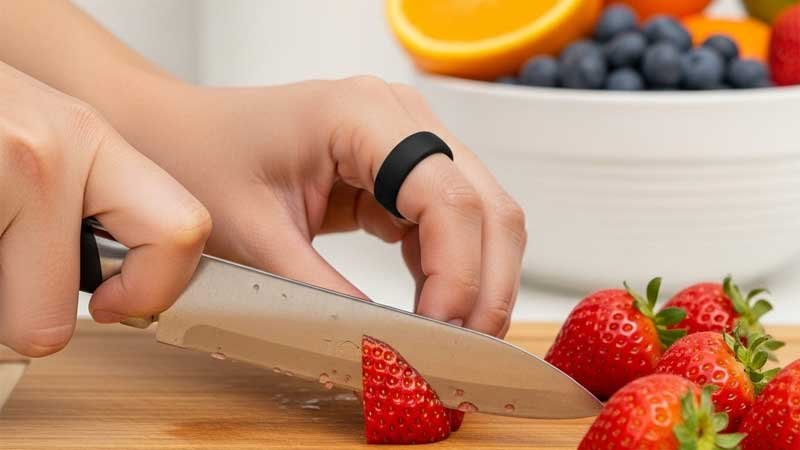
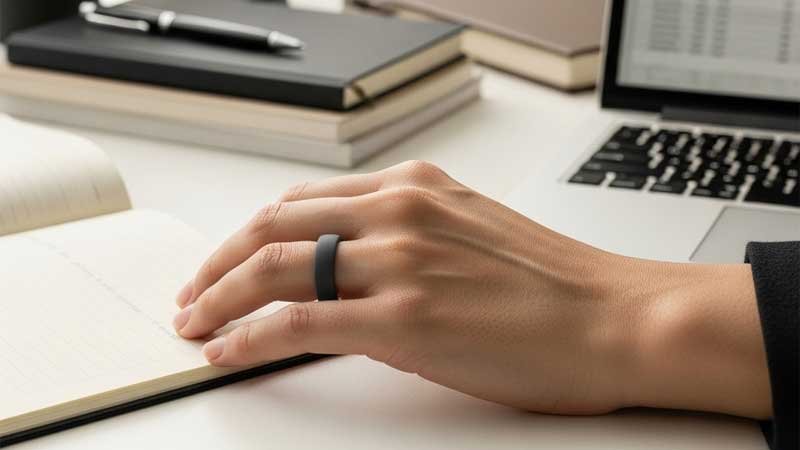
The lifespan of a silicone ring closely depends on the wearer’s daily activities. To give you a clear idea of how long a silicone ring can last, we combined industry experience, user feedback, and real-world data from different use scenarios. Here is a reference table.
| Usage Scenario | Average Lifespan | Characteristics |
| Office work, light activity | 2–3 years | Minimal wear, longest lifespan |
| Daily chores, occasional exercise | 1.5–2 years | Exposure to water and cleaners, moderate wear |
| Gym, running, outdoor sports | 1–2 years | Frequent stretching and friction |
| Construction, heavy lifting | 6–12 months | High friction and heavy pressure |
How Do the 4 Key Factors Affect the Lifespan of Silicone Rings?
The life of a silicone ring isn’t determined by one single thing. It’s the result of material quality, manufacturing process, usage environment, and personal habits working together. Let’s break them down.
Material Quality
| Silicone Grade | Key Features | Expected Lifespan |
| Medical-Grade Silicone | Highest purity, excellent biocompatibility; outstanding tear and aging resistance (tear strength > 20 kN/m) | 2–3 years or longer |
| Food-Grade Silicone | Safe, non-toxic, good durability but slightly below medical-grade | 1–2 years |
| Industrial/Standard Silicone | Contains more impurities, weaker weather resistance, prone to yellowing, hardening, and cracking | 6–12 months |
Expert Tip:
- High-purity silicone combined with quality additives, like fumed silica and UV stabilizers, can greatly extend lifespan.
- Low-grade silicone, however, can quickly become sticky, discolored, and lose elasticity when exposed to sweat, sunscreen, or chemicals.
Manufacturing Process
Liquid Silicone Rubber Injection Molding
- Advantages: Even molecular structure, no flash, minimal defects, stable physical properties.
- Lifespan Impact: Excellent tensile and tear resistance; widely used in premium brands.
Solid Silicone Compression Molding
- Advantages: Great for small batches and personalized designs.
- Limitations: Poor process control can lead to bubbles, flash, or internal flaws—potential weak points in the future.
Example:
- Medical-grade silicone rings made with LSR molding can last 3–5 years with regular wear.
- Lower-end compression-molded rings may develop cracks in less than a year.
Usage Environment & Daily Habits
| Risk Factor | Impact | Recommendation |
| Mechanical Stress | Frequent pulling or contact with sharp objects can cause microcracks that lead to breakage | Avoid wearing during heavy lifting, climbing, or moving large objects |
| Chemical Exposure | Sunscreens, perfumes, alcohol-based sanitizers, and cleaning agents speed up aging or discoloration | Remove before housework or handling chemicals |
| Temperature Extremes | High heat or frequent temperature swings can break molecular bonds, making the material hard and brittle | Keep away from direct sunlight, flames, or hot cookware |
Care & Maintenance
To keep your silicone ring in great shape, wash it regularly with mild soap and water to remove sweat and oil buildup. Avoid using alcohol or harsh cleaning agents, as these can damage the material. When you’re not wearing the ring, store it in a soft pouch to protect it from scratches caused by sharp objects. Also, try not to overstretch it. Frequent removal or excessive pulling can lead to permanent deformation.
When Should You Replace Your Silicone Ring?
Although silicone rings are known for their softness and durability, every material has a lifespan. Knowing when to replace your ring is important.
The most obvious sign is a clear loss of elasticity. If the ring feels loose and no longer fits snugly on your finger, the silicone’s internal structure has likely changed. This reduces its stretch and recovery, affecting comfort and safety.
Another key warning is visible cracks or breaks on the surface. Small cracks might be hard to notice at first, but they can grow over time and eventually cause the ring to break. This increases the risk while wearing it.
Severe discoloration and loss of shine also indicate material aging. This not only affects appearance but may signal silicone performance is declining. Exposure to sunlight, chemicals, or high heat speeds up this aging process, leaving irreversible marks on the ring.
In short, when you notice any of these signs, it’s best to replace your silicone ring promptly. This ensures your ring stays comfortable, safe, and looks good.
How Does the Lifespan of Silicone Rings Compare to Other Materials?
When choosing a ring, the material plays a key role in how long it lasts and how comfortable it feels. Different materials vary in durability, comfort, and how easy they are to maintain. Comparing silicone rings with common materials like metal, wood, and resin helps you understand which suits your lifestyle and needs best.
| Material Type | Average Lifespan | Features |
| Metal Rings | Over 10 years | Extremely durable but can dent or scratch under strong impact; heavier to wear |
| Wood Rings | 3-5 years | Unique natural grain and warm texture but sensitive to moisture and prone to warping |
| Resin Rings | 1-3 years | Lightweight and colorful with flexible design options but fragile and prone to cracks |
| Silicone Rings | 6 months–3 years | Soft and safe with good elasticity, ideal for sports and daily wear; moderate lifespan |
From a lifespan perspective, metal rings last the longest but their hardness and weight may not fit all occasions. Silicone rings have a shorter lifespan but gain popularity for their flexibility and safety. They especially suit active lifestyles.
Conclusion
The durability of silicone rings varies with use and environment. However, high-quality silicone combined with good maintenance can keep your ring lasting for many years. Regular cleaning, avoiding sun damage, and keeping away from harsh chemicals help extend its life and maintain its beauty and comfort.
Ready to experience the comfort and style of a custom silicone ring? Let us help you design a ring that fits your lifestyle perfectly. Contact us today to start creating your unique piece!