
As babies gradually transition to solid foods, many parents wonder how to safely and easily introduce new ingredients. The silicone baby feeder is designed precisely for this purpose. It helps babies explore different foods safely, soothes discomfort during teething, and encourages self-feeding habits.
This guide covers usage methods, safety tips, and maintenance advice, giving you confidence in everyday childcare.
What Is a Baby Silicone Feeder?
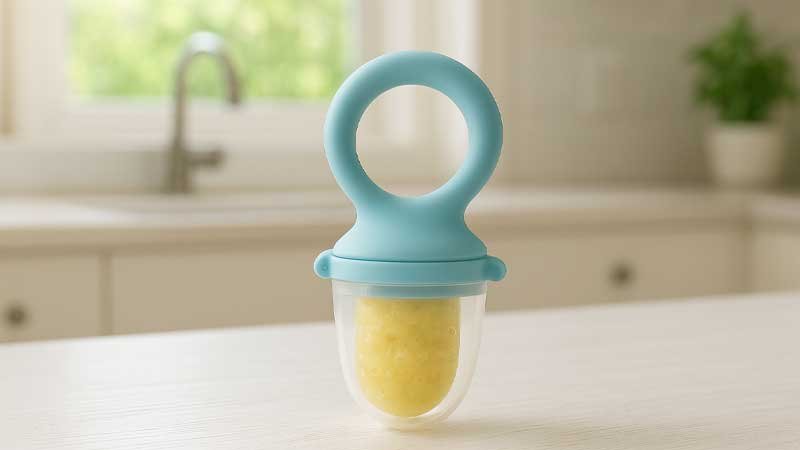
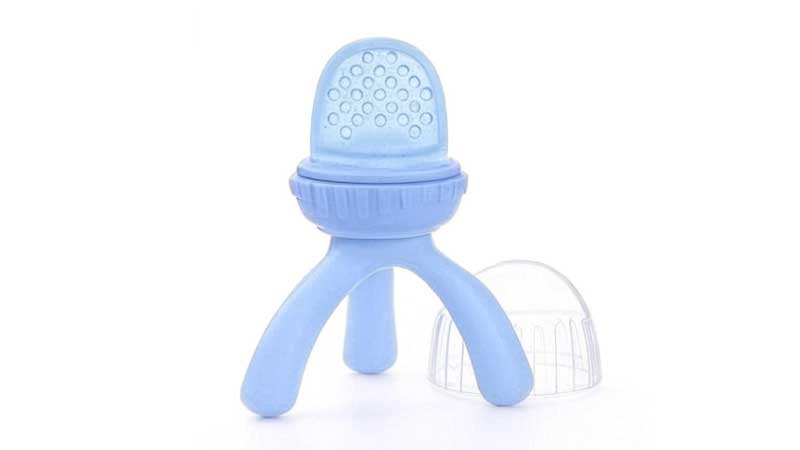
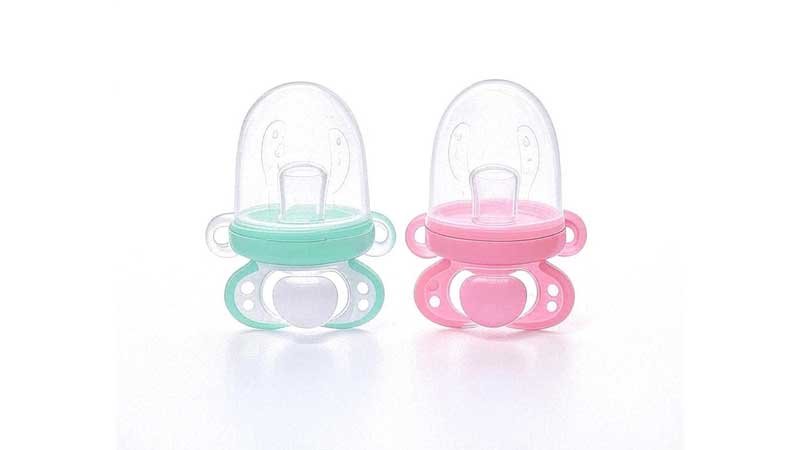
A baby silicone feeder is a baby product made from food-grade silicone. It looks like a combination of a pacifier and a small handle. Parents can fill the silicone pouch with fruits, vegetables, or frozen breast milk, and the baby can safely chew and suck to get nutrients.
Compared with traditional mesh feeders, silicone feeders are more durable, easier to clean, and less prone to bacterial growth. These advantages make them increasingly popular among families.
How to Choose Ingredients for a Silicone Baby Feeder?
When introducing a silicone feeder to your baby, the choice of food should follow a gradual, step-by-step approach. Parents don’t need to offer too many options at the beginning. It’s better to start with mild, easy-to-digest foods, then slowly expand to a wider range of nutrients.
Selection Principles
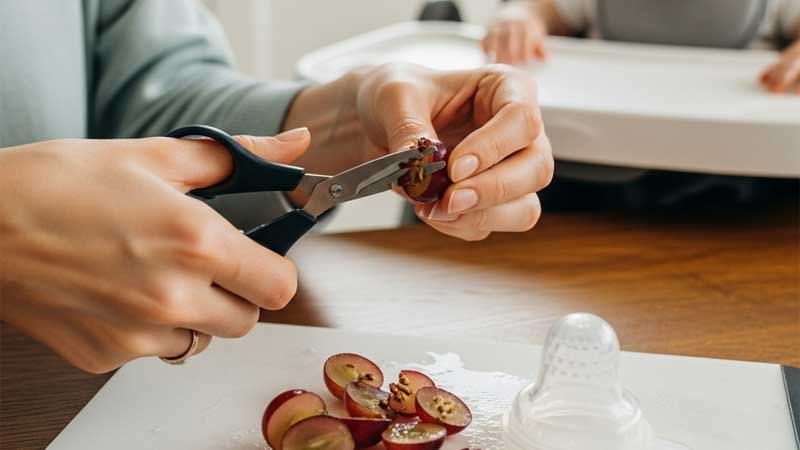
- Safety first: Always remove pits, seeds, and skins to prevent choking or scratching.
- Soft texture: Babies have limited chewing and sucking ability, so food should be soft and easy to break down.
- Balanced nutrition: Move gradually from single fruits to vegetables and proteins, ensuring well-rounded nutrition.
- Step by step: Introduce only one new food at a time. Watch for allergic reactions before adding more.
Things to Keep in Mind
- Start with single flavors to reduce rejection.
- Fruits with higher acidity, such as citrus, should be offered in small amounts and carefully observed.
- Foods with a higher risk of allergy, like nuts and seafood, are best introduced later.
- During teething, chilled or frozen foods can help soothe sore gums.
Recommended Foods by Age
| Age Stage | Fruits | Vegetables | Protein / Other |
| 6 months | Banana, pear, avocado | Carrot purée, pumpkin | —— |
| 7–8 months | Strawberry, blueberry, mango | Sweet potato, broccoli, zucchini | Mashed egg yolk, soft tofu |
| 9–10 months | Grapes (peeled & seedless), orange, watermelon | Potato, peas, cauliflower | Steamed chicken purée, white fish purée |
| 11+ months | Cherry (pitted), cantaloupe | Corn purée, spinach | Small portions of mixed meat purées, wider protein options |
How to Use a Silicone Baby Feeder Correctly?
To ensure your baby uses a silicone feeder safely and hygienically, parents should follow a complete routine from preparation to after-use care. The guidelines below cover preparation, safety precautions during use, and cleaning & maintenance.
Preparation Before Use
Before giving your baby the feeder, proper preparation is essential to guarantee safety and hygiene:
Thorough sterilization: Boil in water, use a steam sterilizer, or UV sterilization to eliminate any bacteria on the feeder’s surface.
Check for integrity: Inspect the silicone pouch, handle, and locking mechanism for cracks or rough edges to prevent accidental ingestion.
Correct assembly: Make sure the silicone pouch fits tightly with the handle to avoid detachment during use.
Choose the right size: Pick a silicone pouch appropriate for your baby’s age. Avoid holes that are too large or too small.

Safety Precautions During Use
Safety is the top priority while your baby uses the feeder.
Always supervise your baby closely and never let them use the feeder alone to avoid accidents. Choose soft, easy-to-chew foods, and avoid hard pieces like whole nuts, raw apple chunks, or grapes to prevent choking. Fill the pouch moderately, enough to satisfy your baby, but not so much that it risks overfeeding.
Additionally, never let your baby fall asleep while sucking on the feeder, as this can cause choking and may affect oral or dental health.
Cleaning and Maintenance
Even though silicone feeders are convenient, improper cleaning can lead to bacterial growth.
After each use, rinse immediately to remove leftover food and prevent residues from hardening. Disassemble the handle and silicone pouch and wash thoroughly with warm water and a baby-safe cleaning solution, making sure every corner is clean.
For extra hygiene, sterilize the feeder weekly using high-temperature or UV methods. Air-dry all parts in a well-ventilated area, avoiding direct sunlight or high heat. Replace the silicone pouch every 2–3 months, or immediately if you notice any damage.
These steps will help extend the feeder’s lifespan and ensure your baby stays safe and healthy while using it.
Common Mistakes When Using a Baby Silicone Feeder
Although silicone feeders are designed to be safe and convenient, many details are easy to overlook during daily use.
| Common Mistake | Potential Risk | Correct Practice |
| Using fibrous or sticky foods | Can clog the silicone pouch, making it hard for the baby to suck | Choose soft, finely textured fruits or vegetables |
| Skipping initial sterilization | Increases the risk of bacterial growth and infection | Always sterilize the feeder before first use |
| Not replacing the silicone pouch regularly | Aging pouches may tear, increasing choking risk | Check and replace the silicone pouch regularly |
| Letting the baby use it unsupervised | Choking hazard | Parents should supervise the baby at all times |
Conclusion
A baby silicone feeder is more than just a simple tool. It supports a safe transition to solid foods, fosters independent eating, and provides comfort during teething. With proper sterilization before use, attentive supervision during feeding, and regular cleaning and replacement, this small tool can become a reliable helper on your parenting journey.
Looking to make it even more special? You can customize silicone feeders to suit your baby’s needs or your brand’s style. Personalize colors, shapes, or sizes and create a unique, practical product that stands out. Contact us today to discuss your customization options