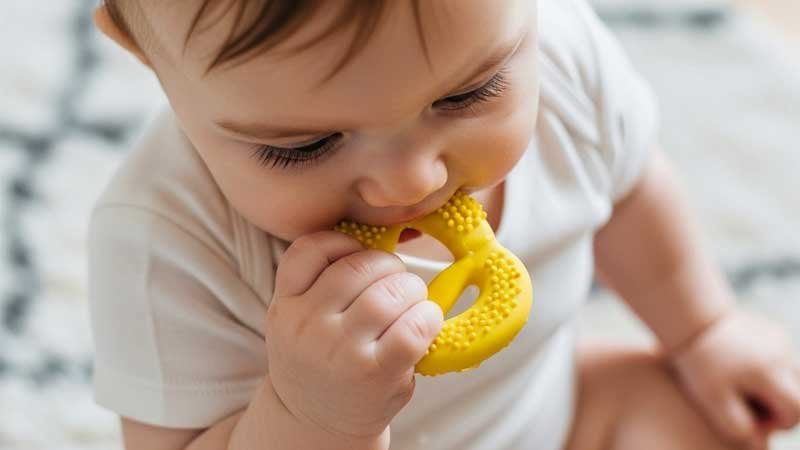
A teething period can be both exciting and challenging for parents. Babies may experience swollen gums, fussiness, and disrupted sleep. Many parents look for a suitable teether to help ease these discomforts. With so many materials available on the market, choosing the right one can be confusing.
In recent years, silicone teethers have become a top choice for parents. So why are silicone teethers so popular? Let’s explore this from multiple angles.
What Unique Advantages Does Silicone Offer?
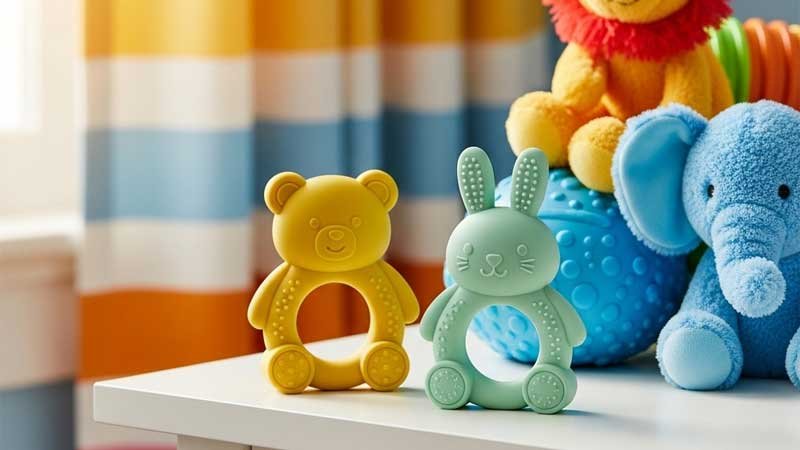
Silicone is widely favored in baby products because it combines softness with resilience. Its gentle, smooth texture feels comfortable when a baby bites, protecting delicate gums from harm. At the same time, silicone’s toughness ensures it resists breaking or deforming, even under repeated chewing or pulling, offering long-lasting safety and durability.
Free from BPA, phthalates, and other potentially harmful substances, silicone is non-toxic, odorless, and safe for prolonged use. In comparison, natural latex may trigger allergies, and plastics can crack or degrade over time. Silicone’s chemical stability allows it to stay safe and reliable even after extended use and repeated cleaning.
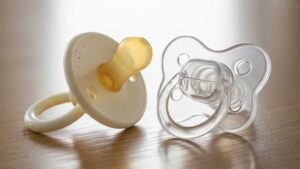
Thanks to these qualities, more and more baby products, like pacifiers, feeding spoons, and training tableware, are made from silicone, giving infants a safer and more comfortable experience.
What Benefits Do Silicone Teething Toys Bring to Babies?
Silicone teething toys are more than just simple chew toys. They play several positive roles in a baby’s oral development.
Relieve gum discomfort
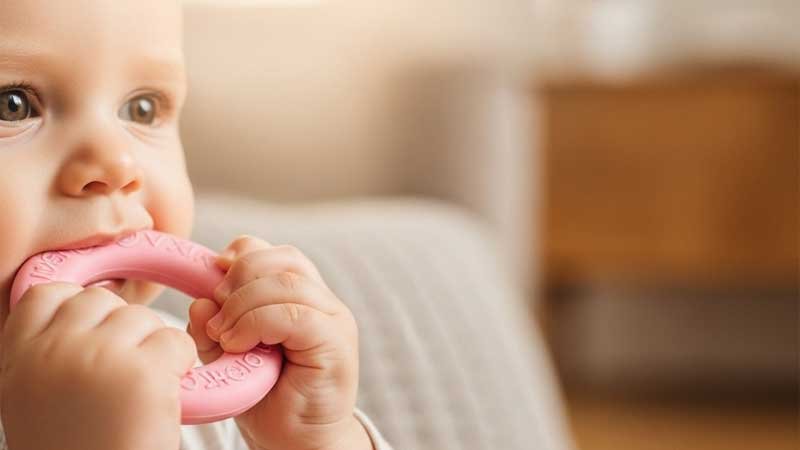
During teething, a baby’s gums often swell and feel sore. The soft yet resilient texture of silicone teething toys applies gentle pressure while chewing, softly massaging the gums. This helps reduce discomfort and keeps the baby comfortable.
Stimulate oral senses
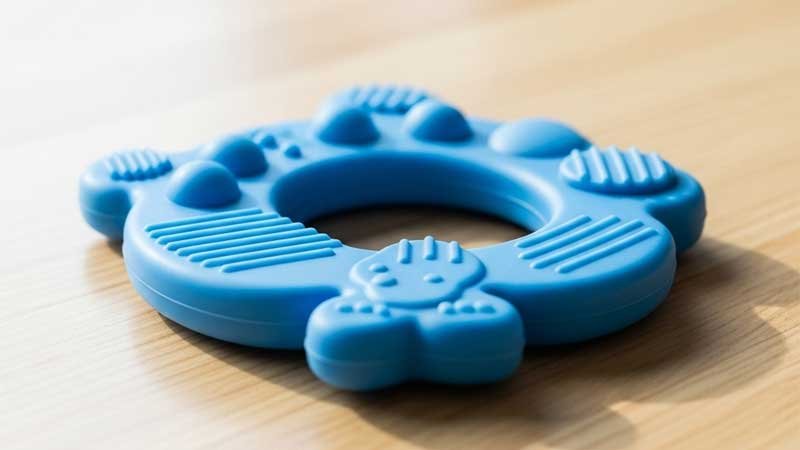
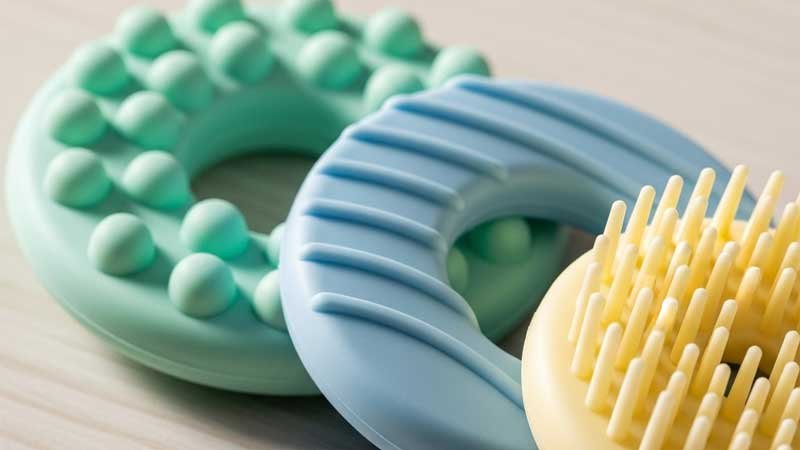
Many teething toys feature varied surface textures, such as small bumps, ridges, or soft bristles. These textures massage the gums and stimulate the tongue and oral sensory perception, supporting the development of oral awareness and hand-to-mouth coordination.
Provide a safe exploration tool
Babies naturally explore the world with their mouths. Silicone teething toys are non-toxic, odorless, and free of irritants, allowing babies to chew and gnaw safely while satisfying their curiosity.
Reduce parental anxiety
When babies soothe themselves with a teething toy, crying and fussiness often decrease. This eases parental stress and helps make daily routines during the teething period more manageable and peaceful.
When Should Parents Introduce a Silicone Teether to Baby?
Timing is very important, as it affects both the teether’s effectiveness and the baby’s comfort and safety. Parents can consider offering a teether when signs of teething appear, such as slightly swollen gums, increased drooling, or frequent hand-biting. This stage usually occurs around four months, but every baby develops at a different pace, so parents should adjust based on their child’s needs.
Introducing the teether after breastfeeding routines are well established works best. Avoid offering it when the baby is hungry or upset, as they may resist it. Choosing the right time helps the baby accept the teether, so they can soothe themselves safely.
How to Use a Silicone Teether Correctly?
To ensure the best effect of a silicone teether while keeping your baby safe, parents should pay attention to several key points:
Choose the Right Teether
Select a food-grade or medical-grade silicone teether to ensure it is non-toxic and odorless. Pick a size and shape suitable for your baby’s age and grip ability. Avoid pieces that are too small, too large, or have detachable parts that could pose a choking risk.
Guide Proper Grip and Use
When your baby starts using the teether, gently guide their hands so they learn to hold and bite the appropriate parts. This prevents edges or attachments from irritating the mouth.
Clean and Sanitize Regularly
Wash the teether after each use with warm water and mild soap. You can also sterilize it with boiling water, steam, or UV sterilization. Keeping it clean prevents bacterial growth.
Monitor the Teether’s Condition
Check the teether regularly for cracks, damage, or foreign substances. Replace it immediately if any issues appear to ensure safe use.
Control Usage Time
Although silicone teethers are safe and non-toxic, avoid letting your baby use them continuously for long periods. Allow breaks and encourage other safe self-soothing activities.
How Do Different Teether Materials Compare?
Many parents hesitate when choosing a teether, weighing options such as silicone, latex, plastic, or wood. The table below highlights the differences among common teether materials:
| Material | Advantages | Disadvantages | Suitability Rating |
| Silicone | Safe and non-toxic, soft yet durable, easy to clean, versatile designs | Slightly higher cost, but long-lasting | ★★★★★ |
| Latex | Very soft, close to the feel of breast milk | Prone to aging, potential allergies, not heat-resistant | ★★★☆☆ |
| Plastic | Affordable, many shapes available | Hard, may contain harmful substances, can crack easily | ★★☆☆☆ |
| Wood | Natural and eco-friendly, moderate hardness | Rough surface, difficult to clean thoroughly, bacteria can grow | ★★☆☆☆ |
From this comparison, silicone stands out with clear advantages in almost every aspect, especially in safety, comfort, and ease of cleaning.

Conclusion
From material properties to soothing effects, from safety assurances to eco-friendly design, silicone teethers meet nearly all parental expectations. If you are selecting a teether for your baby, silicone is undoubtedly a reliable and safe option.
Looking for custom silicone teethers? Contact our company to create personalized designs that fit your brand or your baby’s needs. We offer tailored shapes, colors, and textures, ensuring every teether is safe, durable, and comfortable, perfectly crafted by experts you can trust.