When choosing a menstrual cup, one of the top concerns for many women is simple yet vital: “Is the material truly safe?” And that concern is valid. A menstrual cup stays inside the body for hours and comes into direct contact with the vaginal lining. If the material isn’t safe, it could lead to infections, irritation, or even hormone disruption. Among all the materials available, silicone is the most widely used. So, is silicone safe?
The answer is yes. Silicone menstrual cups are considered safe. This article takes a closer look at medical-grade silicone, the safety profile of silicone cups, and how they compare with other period care products.
Is Silicone Safe for Menstrual Cups?
Menstrual cups are made from medical-grade silicone, a material specially designed for contact with the human body, and even for implantation. It meets very high safety standards.
One of its key advantages is excellent biocompatibility. It can stay in contact with body tissues and fluids for long periods without causing immune reactions, irritation, or allergies. That’s why it’s commonly used in medical devices like heart valves, catheters, and artificial joints.
Medical-grade silicone is also highly inert. Inside the vaginal environment, it won’t break down, release toxins, or cause chemical changes. Its smooth and non-porous surface doesn’t easily trap blood, proteins, or bacteria. This helps reduce the risk of infection.
Because of all this, silicone is one of the safest and most reliable materials for menstrual cups.
What is a Silicone Menstrual Cup?
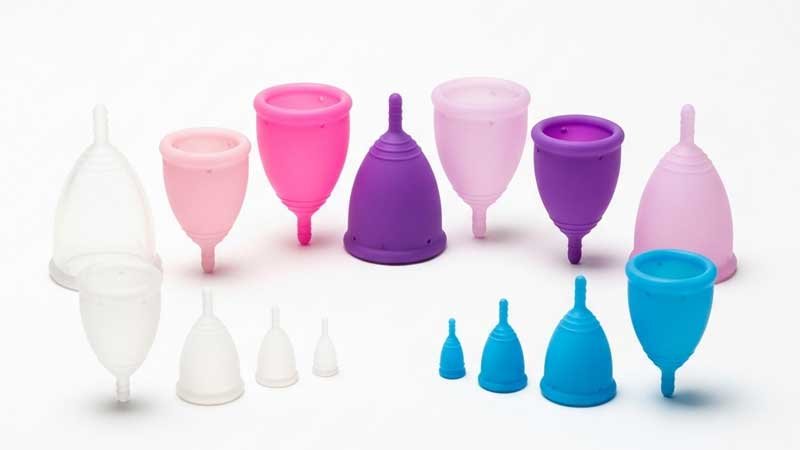
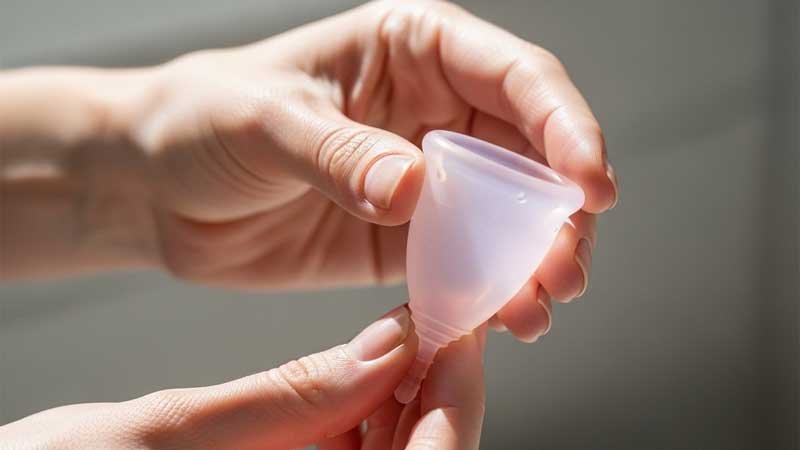
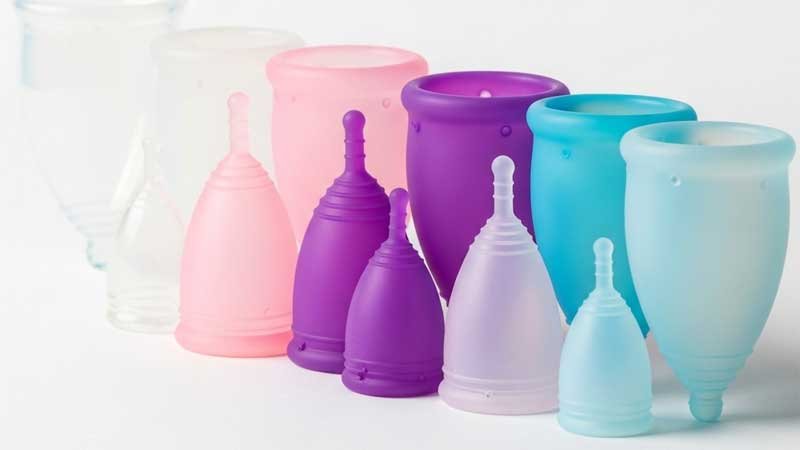
A silicone menstrual cup is a reusable period care product made from medical-grade silicone. It is soft, flexible, and usually shaped like a small cup. To use, you gently fold the cup and insert it into the vagina. Once inside, it unfolds and fits snugly against the vaginal walls, creating a seal that collects menstrual fluid instead of absorbing it.
Unlike traditional tampons or pads, a menstrual cup can be worn inside the body for 8 to 12 hours, depending on your flow and comfort. After use, simply remove the cup, empty it, clean it, and reinsert. This process is safe and convenient.
Medical-grade silicone offers high biocompatibility, is non-toxic, and can withstand high temperatures. It is often sterilized by boiling. A quality menstrual cup can last from 5 to 10 years.
Besides providing long-lasting and comfortable period care, silicone menstrual cups greatly reduce the use of disposable products. This makes them an eco-friendly and cost-effective choice. More and more women who value health and sustainable living are choosing them.
What About the Safety of Silicone Menstrual Cups?
Biocompatibility and Health Safety
- Silicone menstrual cups usually use medical-grade silicone. Medical-grade silicone must pass strict biocompatibility tests like ISO 10993. These tests include checking for cell toxicity, skin irritation, and allergies.
- Non-toxic: Medical silicone contains no phthalates, BPA, or heavy metals.
- Allergy risk: Silicone causes very few allergic reactions, much less than latex.
Microbial Safety
- Silicone’s non-porous surface resists bacteria like Staphylococcus aureus, lowering the risk of toxic shock syndrome (TSS). Proper cleaning is essential for safety:
- Boiling: Soak the cup in boiling water for 5–10 minutes to sterilize.
- Steam sterilization: Convenient with home sterilizers.
- Gentle cleansers: Use fragrance-free, mild soaps to protect the silicone surface.
- Warning: Poor cleaning can lead to bacterial or yeast infections, so thorough cleaning before and after each use is advised.
Long-Term Safety
- Durability: Medical silicone remains stable after repeated use and high-temperature sterilization, with no noticeable breakdown or harmful chemical release.
- Wear and tear: High-quality silicone cups have smooth surfaces without micro-cracks but should be checked regularly to avoid aging issues.
How Do Silicone Menstrual Cups Compare to Other Period Products?
When it comes to period care, many people still use disposable pads or tampons. While each option has its own benefits, silicone menstrual cups offer longer-lasting, well-rounded advantages in safety, comfort, sustainability, and cost.
Higher Safety Standards
- Silicone menstrual cups are made from medical-grade silicone. This material meets strict biocompatibility standards (like ISO 10993 and USP Class VI) and contains no BPA, phthalates, or harmful additives. Its non-porous surface helps resist bacteria growth and lowers the risk of Toxic Shock Syndrome (TSS). In comparison, some pads and tampons may contain bleach, fragrances, or superabsorbent polymers. These can irritate sensitive users.
Reliable Comfort
- A menstrual cup fits gently inside the body. Once placed correctly, it’s barely noticeable and can be worn for 8 to 12 hours without discomfort. Tampons are more discreet than pads, but their absorbency can dry out the vagina. Pads may feel damp or cause chafing, especially during heat or physical activity.
More Sustainable and Eco-Friendly
- One silicone menstrual cup can last 5 to 10 years, replacing hundreds of disposable products. While silicone is not biodegradable, its long life means a lower overall carbon footprint. This helps reduce waste from single-use items, which add millions of tons of trash globally each year.
Better Long-Term Value
- Though a menstrual cup costs more upfront, it saves money over time. The long lifespan means fewer purchases. In contrast, the ongoing cost of pads or tampons adds up quickly and often exceeds the price of a high-quality cup.
How to Use a Menstrual Cup Safely?
Even though menstrual cups are made from safe medical-grade silicone, proper use and care are key to protecting your health. Here’s how to clean, use, and maintain your cup.
Clean and Disinfect Properly
- Before first use: Boil the cup in water for 5–10 minutes to ensure complete sterilization.
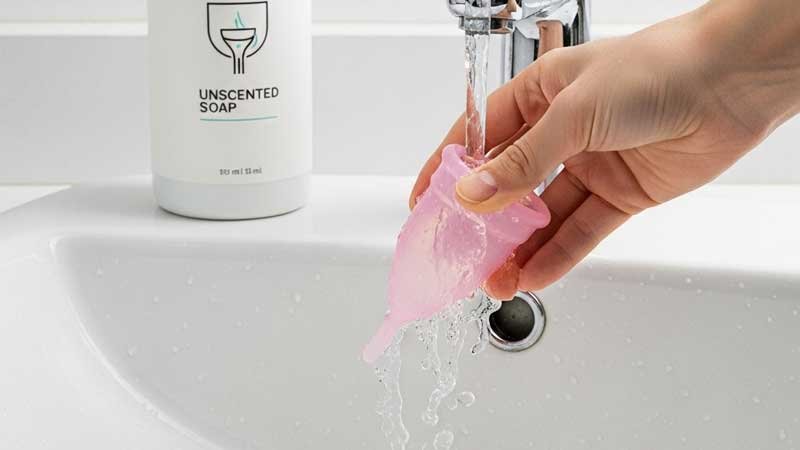
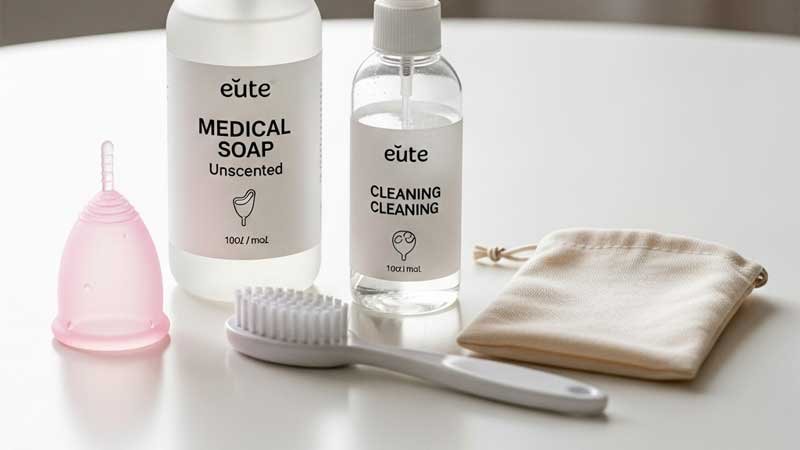
- During your period: Each time you remove the cup, wash it thoroughly with warm water and a mild, fragrance-free, oil-free soap. Avoid alcohol, bleach, or harsh cleaners, as they may damage the silicone.
- After your cycle ends: Disinfect the cup again and store it in a breathable cloth bag to keep it dry and clean.
Learn How to Use It Correctly
- Understanding how to fold, insert, and remove the cup will improve comfort and seal. Try inserting it while relaxed. Gently fold the cup, place it into the vagina, and let it open to create a vacuum seal. To remove it, pinch the base to release the seal before pulling it out gently—don’t yank.
Limit wear time to no more than 12 hours, and empty it more frequently if your flow is heavy.
Keep Your Hands Clean
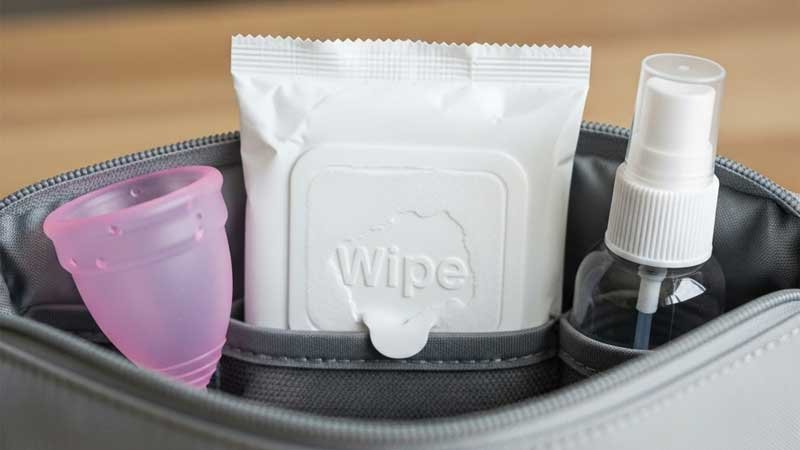
- Always wash your hands before inserting or removing the cup. When you’re on the go, you can also use wipes or a gentle cleaning spray to stay hygienic.
Check and Replace as Needed
- Even though medical-grade silicone is long-lasting, inspect the cup before each use. Look for cracks, discoloration, odd smells, or any signs of wear. A high-quality cup usually lasts 5 to 10 years, but replace it sooner if you notice damage.
Avoid Oily Substances
- Do not use Vaseline, baby oil, essential oils, or any oil-based lubricants on the cup. These can weaken the silicone, reduce its lifespan, and affect how well it seals.
Pay Attention to Your Body
- If you feel itchiness, unusual odor, unexpected bleeding, or any discomfort during use, remove the cup right away and consult a healthcare professional.
Conclusion
Silicone is an ideal material for menstrual cups. It’s known for its high biocompatibility, durability, and safety. Choose a cup made from certified medical-grade silicone and use it with proper cleaning and care. This can help ensure both safety and comfort.
Want to develop your own custom silicone products? We offer expert support in material selection, product design, and manufacturing. Whether you’re building a menstrual care brand or expanding your product line, our team is here to help bring your silicone ideas to life. Let’s create something safe, sustainable, and unique—together.